

Join thousands of users earning the highest cash back and commission at over 36,000 stores and brands.
How Smart Choices Help Build a Reliable Collection of Budget Sports Gear
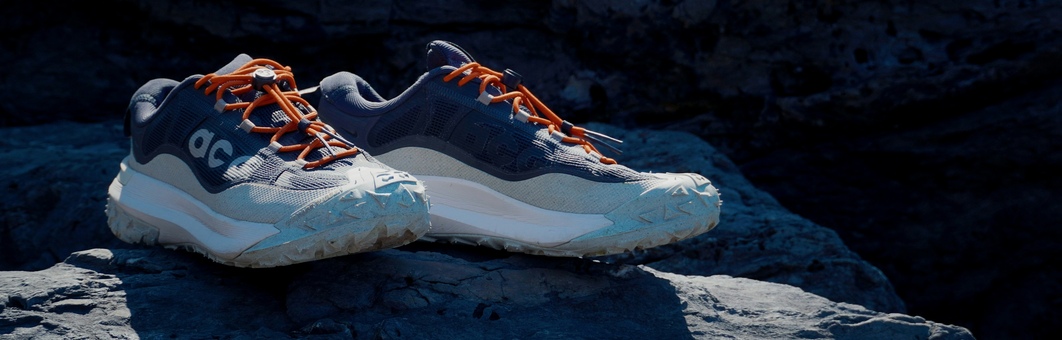
Fresh gear feels great, yet constant upgrades drain money fast. Athletes who train on a budget still need clothing and equipment that hold up under sweat, weather, and rough sessions. Smart choices turn a small budget into a reliable kit that supports real progress instead of sitting in a closet.
The goal involves matching each purchase to a clear purpose. When you understand what matters most in fit, materials, and timing, you avoid impulse buys and collect pieces that work together season after season.
Define Your Real Needs Before You Spend
Define Your Real Needs Before You Spend
Strong gear decisions start with honest assessment. List the sports you actually play and the conditions you face most often. A runner who trains on roads in mild weather needs a different kit than a midfielder on muddy fields or a volleyball player indoors.
Think about frequency. You might compare options and decide that, whether it's The Imperial Point Custom Sports Uniforms or another supplier, the key lies in performance basics rather than flashy extras. A jersey that breathes well and resists snags beats a trend piece that looks sharp once and falls apart after a few dives and tackles.
Prioritize Fit, Safety, and Versatility
Fit affects performance and comfort more than logos or color schemes. Shoes that match your foot shape, socks that prevent blisters, and garments that move with your body help you train longer with less irritation. Tight spots, slipping waistbands, and seams that rub distract you and increase injury risk.
Safety features belong on the list from day one. Shinguards that stay in place, helmets that meet standards, and mouthguards that fit correctly protect you from hospital visits and long layoffs. Cheap, poorly made protection may cost more in the long run than a midrange option that actually works when you fall or collide.
Build Around a Few Core Pieces
Every sport has a short list of items that carry most of the workload. Shoes, practice tops, shorts or tights, and one weather-appropriate outer layer usually sit at the center of that list. Focus early spending there, because those pieces touch your body in every session.
Aim for two or three rotations of high-use items. Two pairs of training shorts and a small stack of reliable tops give you enough flexibility for back-to-back practices without emergency laundry. One rain jacket or windbreaker that actually blocks the elements beats several thin layers that never quite protect you.
Make Materials and Construction Work for You
Fabric choice shapes how gear feels halfway through a workout. Synthetic blends that wick sweat keep you drier during intense sessions. Cotton feels comfortable at first, then holds moisture and chills you once the session slows. Look for clear descriptions and avoid pieces that feel heavy or sticky in the store.
Stitching and construction deserve a quick inspection. Turn garments inside out and check seams in high-stress zones such as shoulders, underarms, and inner thighs. Flat seams and reinforced stitching handle slides, lunges, and repeated washing better than thin, loose threads.
Small details add value. Zippered pockets protect keys or cards. Reflective accents support early morning or evening sessions near traffic. Drawcords and adjustable closures help one item stay useful even if your body changes slightly during a long season or training cycle.
Stretch Your Budget with Smart Timing
Prices move through cycles. New releases arrive at full price, then drop when next season’s colors appear. If you can wait, you gain strong value from end-of-season sales, clearance racks, and last year’s models that still perform at a high level.
Buying during off-peak months helps. Winter layers often cost less once spring starts, and warm-weather gear moves cheaply in autumn. Planning lets you pick up key items when prices dip instead of scrambling at the last minute before a tournament or school season.
Secondhand options deserve a look too, especially for growing athletes. Lightly used gear from older players, local swap groups, or consignment stores often still has plenty of life. Just stay strict about safety items such as helmets and shoes, where fit, structure, and unseen damage matter more.
Take Care of Gear to Extend Its Life
Even budget gear lasts longer when you treat it well. Shake out dirt, air-dry items that collect sweat, and follow washing instructions as closely as practical. Harsh detergents, high heat, and rough cycles fade colors and break fibers faster than necessary.
Create simple routines around practice and games. Drop muddy shoes on a mat, hang wet garments instead of leaving them in a bag, and check strings, laces, and closures before you store everything. Small habits after each session prevent bad smells, warped materials, and last-minute gear failures.

When each piece serves a purpose, fits well, and holds up under regular use, your kit becomes a quiet ally instead of a constant frustration. Training then feels less about fighting clothing or equipment and more about enjoying the game, improving skills, and showing up ready every time you step on the field or court.