
Outdoor gatherings offer an enjoyable way to celebrate special occasions, reconnect with friends, and spend time with family. Whether organizing a birthday party, neighborhood celebration, or relaxed weekend gathering, a welcoming atmosphere often matters more than expensive decorations or elaborate entertainment.
However, costs can increase quickly when hosts begin purchasing furniture, lighting, food, and entertainment equipment without establishing clear priorities. Creating a memorable event requires balancing comfort, convenience, and thoughtful spending.
The most successful outdoor gatherings usually focus on a few elements that genuinely improve the experience. Comfortable seating, suitable lighting, practical refreshments, and activities that bring guests together can make a significant difference.
With careful planning and creative use of available resources, hosts can organize enjoyable outdoor events without exceeding their budgets or sacrificing the details that make gatherings special.
Create a Comfortable Atmosphere With Practical Outdoor Features
Comfort should be one of the first considerations when planning an outdoor gathering, especially when guests will spend several hours in the same space. Seating arrangements, weather conditions, and access to warmth can influence whether people feel relaxed throughout the event.
For evening gatherings, a designated seating area around a fire feature can create a natural place for conversation. Outdoor fireplaces and fire pits provide warmth and visual appeal, extending the usefulness of patios and backyards into cooler seasons.
Hosts planning to entertain regularly can compare outdoor heating and fireplace options at thegreatfirecompany.com, which carries gas and wood-burning fireplaces, fire pits, and related equipment. Rather than purchasing decorations for every occasion, investing in a suitable permanent feature can improve the space for future gatherings as well.
However, these installations should be evaluated according to available space, operating costs, installation requirements, and expected frequency of use. An expensive fireplace may not be worthwhile for someone who hosts only occasionally.
Affordable alternatives include comfortable blankets, weather-appropriate seating, and arranging existing furniture to create sheltered conversation areas.
The objective is to make guests comfortable without assuming that every gathering requires new equipment.
Choose Entertainment That Fits the Occasion and Budget
Entertainment can make an outdoor celebration memorable, but elaborate performances and expensive attractions aren't always necessary.
Music, group games, themed activities, and simple competitions can encourage participation while keeping costs manageable. The best choice depends on the guests, available space, and type of event.
Some celebrations also feature special visual entertainment, particularly during holidays and community festivities. For larger occasions, big rocket fireworks are among the aerial products available in different sizes and effects, giving organizers a category to consider when comparing the costs of a planned fireworks display.
However, fireworks introduce additional expenses and responsibilities beyond the purchase itself. Local regulations, suitable launch locations, required permits, and professional supervision may affect whether a display is practical or permitted.
Entertainment should complement the atmosphere rather than dominate the budget. A carefully chosen activity that encourages guests to interact can be more rewarding than an expensive attraction that lasts only a few minutes.
Plan Food and Drinks Around the Number of Guests
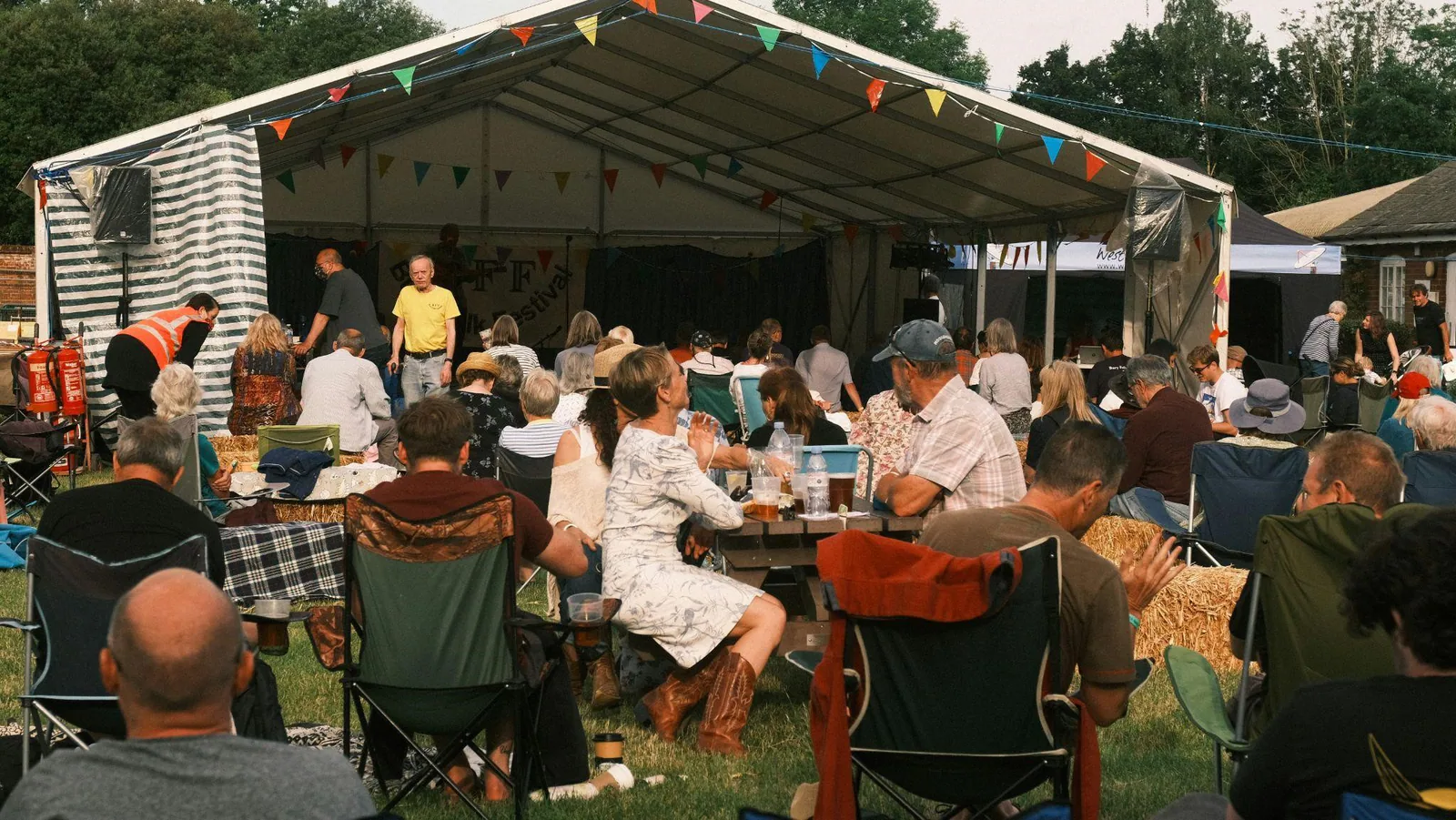
Food is often one of the largest expenses associated with hosting an event. Without careful planning, hosts may purchase excessive quantities or select complicated menus that require unnecessary preparation.
A practical starting point is estimating attendance and choosing dishes that can be prepared efficiently.
Grilled foods, shared platters, salads, and simple desserts are suitable for many outdoor gatherings because they allow guests to serve themselves without formal dining arrangements.
Preparing selected dishes in advance can also reduce stress on the day of the event.
Seasonal ingredients may provide opportunities to control costs while introducing fresh flavors. Buying ingredients in appropriate quantities is usually more economical than preparing numerous dishes that offer little variety in practice.
Refreshments should be planned with equal care. Providing drinking water and a modest selection of beverages is generally more practical than purchasing every possible option.
Food safety remains essential. Perishable items should be stored at suitable temperatures, and preparation areas must remain clean throughout the gathering.
Use Lighting and Decorations Creatively
Outdoor lighting can dramatically change the atmosphere of a gathering, particularly when an event continues after sunset.
String lights, lanterns, and suitable portable fixtures can make patios and gardens feel more inviting without requiring expensive installations.
Hosts should prioritize lighting around seating areas, pathways, and food stations before adding decorative effects.
Existing household items can also become part of the event design. Glass containers, tablecloths, cushions, and simple floral arrangements may provide enough decoration to create a coordinated appearance.
Choosing a limited color palette can make inexpensive decorations feel more intentional.
Reusable items offer additional value because they can be stored and incorporated into future celebrations.
The goal isn't to imitate professional event styling. It's to create an atmosphere that feels welcoming and reflects the occasion.
Make Better Use of the Space You Already Have
A memorable outdoor gathering doesn't require a large backyard or elaborate venue.
Small patios, gardens, and shared outdoor areas can accommodate enjoyable events when furniture is arranged thoughtfully.
Begin by identifying how guests will move between seating, refreshments, and entertainment areas. Keeping pathways clear improves convenience and reduces unnecessary crowding.
Grouping chairs encourages conversation, while separate spaces for food and activities can prevent congestion.
Weather planning is equally important. Portable shade, suitable shelters, and a practical indoor alternative can help manage unexpected changes in conditions.
Hosts should also consider accessibility, particularly when inviting guests with different mobility requirements.
A well-organized space often feels more comfortable than a larger area filled with unnecessary furniture and decorations.
Focus on Experiences Rather Than Expensive Extras
The most memorable gatherings are rarely defined by how much money was spent. Guests often remember meaningful conversations, unexpected laughter, favorite music, and the opportunity to spend time together.
Creating these experiences requires attention to the people attending rather than concentrating exclusively on presentation.
Personal touches can make a celebration distinctive. A shared playlist, photographs from previous gatherings, or a favorite family recipe can introduce meaning without significantly increasing costs.
Keeping the schedule flexible allows conversations and activities to develop naturally.
It's also useful to establish a spending limit before purchasing supplies. Prioritizing essentials and reusing available equipment can prevent unnecessary expenses.
Ultimately, successful outdoor entertaining is about making people feel welcome and creating an environment where they can enjoy one another's company.
By combining practical comfort, suitable entertainment, simple refreshments, and thoughtful organization, hosts can plan memorable gatherings without overspending on details that contribute little to the experience.


